
How OOH Builds Brand Trust During Economic Uncertainty
During inflation, layoffs, and shifting consumer confidence, trust does not come from one clever ad. It comes from consistent visibility, public legitimacy, and repetition in real places. That is why billboard advertising trust tends to rise in periods of economic uncertainty.
OOH does something digital platforms struggle to do in uncertain times. It makes a brand feel established, accountable, and present in the world people actually live in.
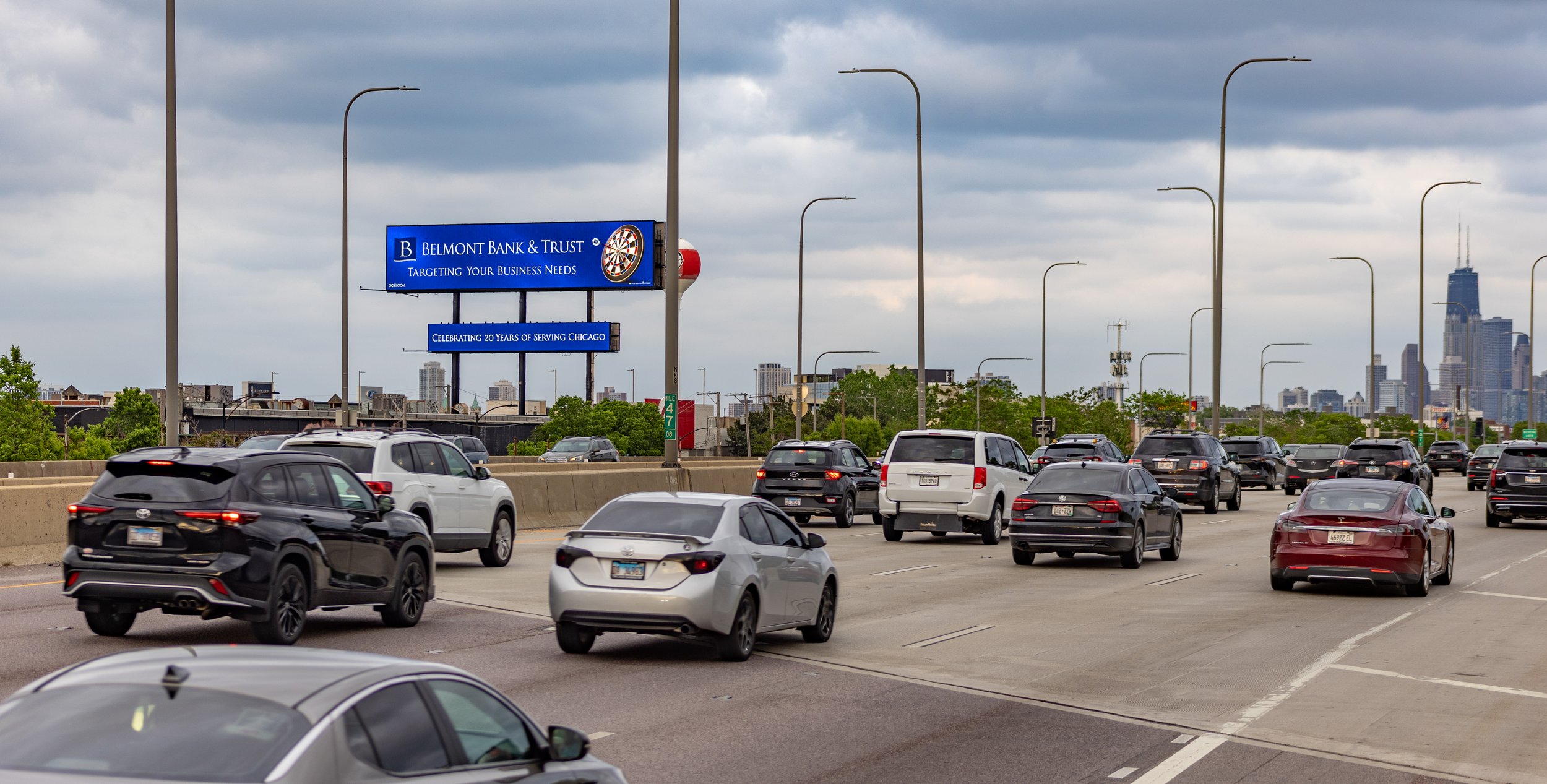
The trust advantage of traditional billboards and digital billboards
Both traditional billboards and digital billboards support brand trust during recession conditions, but they do it in slightly different ways.
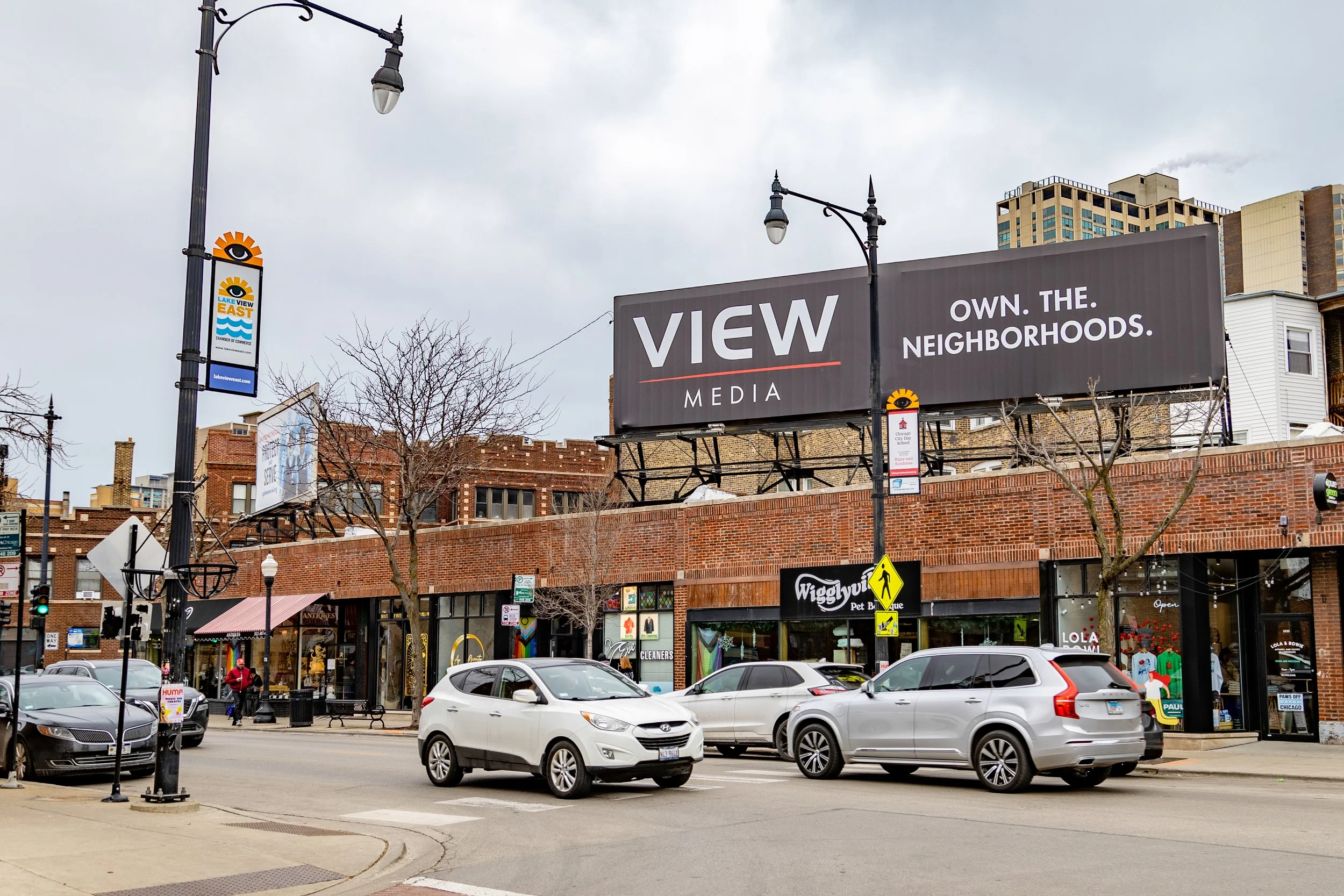
Traditional billboards signal permanence.
Static placements communicate stability. When consumers see a brand in the same high-visibility location week after week, it builds familiarity and reduces perceived risk. That is a major driver of billboard marketing during inflation.
Digital billboards signal responsiveness.
Digital placements build trust by staying current. They allow brands to rotate messages, align to seasons and city moments, and keep campaigns fresh without losing consistency.
The strongest trust-building strategy often blends both. Traditional billboards establish the brand as steady. Digital keeps the brand relevant.
Why trust matters more than ever during inflation, layoffs, and political division
Economic uncertainty does not just change what people buy. It changes how they decide.
When inflation rises and people feel stretched, they become more cautious. They spend more time researching, delay discretionary purchases, and stick with what feels reliable. That shift is tied closely to consumer confidence, which reflects how people feel about their finances, job prospects, and the economy’s direction. When confidence dips, uncertainty rises, and trust becomes a shortcut to decision-making. (The Conference Board)
Layoffs and workforce instability add another layer. Even consumers who are still employed often shop more conservatively when they see uncertainty around them. That does not mean marketing stops working. It means brands need to communicate stability, value, and legitimacy more clearly.
Political division contributes to skepticism, too. Digital platforms are where many people experience misinformation, polarization, and content designed to provoke. That changes how advertising is received. In many categories, consumers are simply harder to persuade with digital alone, especially when the ad environment feels intrusive or untrustworthy.
That is why brand trust during recession cycles becomes such a critical differentiator. Brands that feel established and credible get the benefit of the doubt. Brands that feel unproven often get filtered out.
Billboards signal permanence: unlike pop-up digital ads, OOH shows stability and investment
There is a reason billboards are often described as “real-world proof.”
Digital ads can be launched in minutes. They can also disappear in minutes. Consumers understand that the internet makes it easy for anyone to look established, even if they are not. Many have also learned to be cautious with what they see online, especially when ads show up in questionable contexts or feel overly personalized.
OOH works differently. A billboard placement is tied to real physical investment. When a brand shows up on a major commuter corridor, near a key retail zone, or in a high-profile downtown district, it signals presence and commitment.
That is one of the most underappreciated drivers of billboard advertising trust. It communicates something that digital often cannot:
We are not a pop-up
We are not hiding behind an algorithm
We are part of the real world
We will be here tomorrow
OOH also tends to be viewed positively by consumers. For example, OAAA research with Morning Consult found billboards ranked highly for favorability compared to many other media types. (OAAA)
That matters even more during advertising during inflation, when consumers are cautious and brands need credibility more than cleverness.
How repetition and public visibility boost familiarity and preference
Trust is rarely created in one moment. It is built through repeated exposure and consistent signals.
OOH builds trust well because it naturally supports both.
Repetition without the “creep factor”
In digital advertising, repetition can feel personal in a way that turns people off. Retargeting can follow users across sites and platforms, creating the sense of being tracked. Even if the targeting is technically anonymous, the experience can feel intrusive.
Billboards repeat in a different way. They exist in shared public space. People expect brands to be visible there. That visibility does not feel invasive. It feels normal.
Familiarity reduces perceived risk
During marketing economic uncertainty, consumers become more risk-avoidant. They gravitate toward what they recognize. Even if someone is not ready to purchase right now, repeated exposure builds familiarity, and familiarity becomes preference when the moment comes.
This is why billboard marketing during inflation can be so effective. It builds memory in a time when consumers are more selective about where they spend.
Offline visibility fuels online action
OOH is often misunderstood as awareness-only. In reality, it can influence measurable behaviors, including search and site traffic. OAAA research with Morning Consult found many consumers report taking action after seeing OOH, including engaging on their smartphone. (OAAA)
When digital acquisition costs rise, that halo effect becomes valuable. OOH builds the trust layer that makes other channels convert more efficiently.
How OOH Helps Industries Most Impacted by Economic Shifts
Some industries feel economic swings faster than others. When inflation rises, layoffs hit, or consumer confidence drops, these categories often see longer decision cycles and higher hesitation from target audiences. This is where billboard marketing during inflation can make a measurable difference, because OOH builds familiarity and credibility before a buyer ever clicks, calls, or walks in.
Here are a few industries where OOH and DOOH brand trust matter most during economic uncertainty:
Healthcare and behavioral health
When budgets are tight, people delay care. They also become more cautious about who they trust. Billboard trust helps healthcare systems, treatment centers, and clinics signal legitimacy and stability, especially for services where reassurance matters as much as awareness.
Financial services and insurance
In uncertain markets, consumers look for safety. OOH works as a visible trust marker for banks, credit unions, fintech, and insurers because it communicates permanence and accountability. It supports brand trust during recession cycles when people are choosing who to trust with their money.
Higher education and workforce recruitment
Economic shifts often increase interest in retraining, certifications, and stable career paths. OOH can help universities, trade programs, and employers stay visible to commuters and households making long-term decisions, especially when recruitment timelines are extended.
Retail, grocery, and consumer packaged goods
Inflation changes what people buy and where they shop. OOH supports top-of-mind awareness and retail movement by reinforcing familiarity near commuter routes and shopping corridors. For brands navigating advertising during inflation, this can help maintain market share even when consumers are trading down.
Automotive, home services, and real estate
When rates rise and households pause big purchases, these industries rely on long-term brand presence and repeated exposure. OOH keeps brands visible while decision cycles stretch, building preference until the timing is right.
Restaurants and multi-location services
In uncertain times, consumers still spend, but they choose more carefully. OOH supports local trust and recognition at scale. It helps brands stay top-of-mind for the next “default decision,” which is exactly what billboard advertising trust is designed to influence.
The common thread is simple: when people feel uncertain, they choose what feels reliable. OOH builds that reliability through public visibility and repeated exposure.
How View Media formats build trust in different ways
View Media’s format mix allows brands to build trust at multiple layers of the city. Not just along commuter routes, but at street level, in neighborhoods, and in the places where everyday decisions happen.
Digital Billboards
Best for brands that need both credibility and flexibility. Digital billboards support DOOH brand trust by allowing multiple messages, quick updates, and timely creative while maintaining large-format visibility. Great for retail, events, multi-location brands, and brands that need to stay agile during inflation.
Traditional billboards (static placements)
Best for brands that want to feel established. Static billboards build brand trust during recession cycles through consistency. They work especially well for categories with longer decision cycles, where familiarity matters more than urgency.
Wallscapes
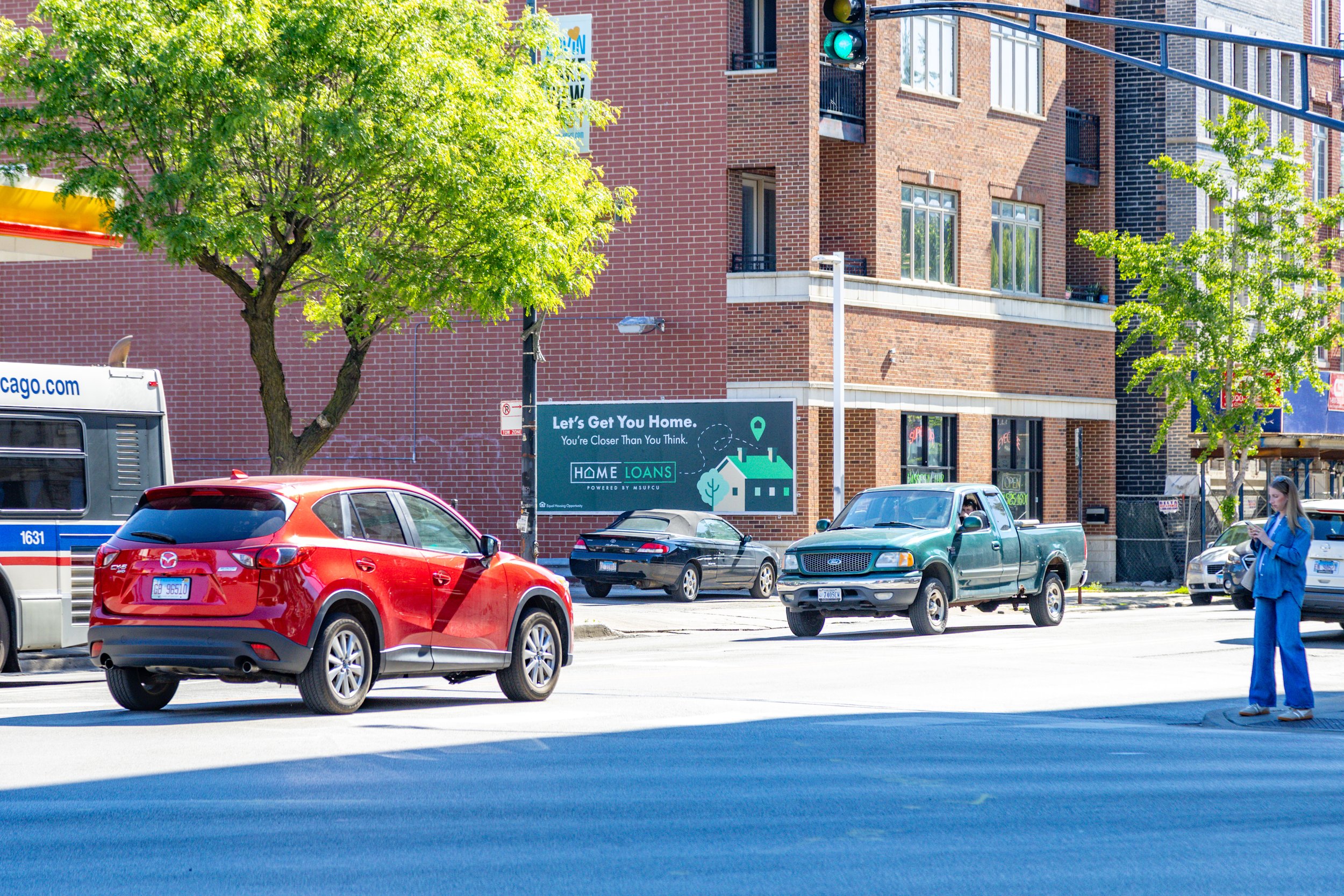
Wallscapes function like landmarks. They communicate scale, confidence, and staying power. In uncertain times, that “this brand is here to stay” signal is powerful for both national launches and local market leadership. Wallscapes are often remembered, photographed, and talked about, which compounds trust beyond impressions alone.
HotSpots
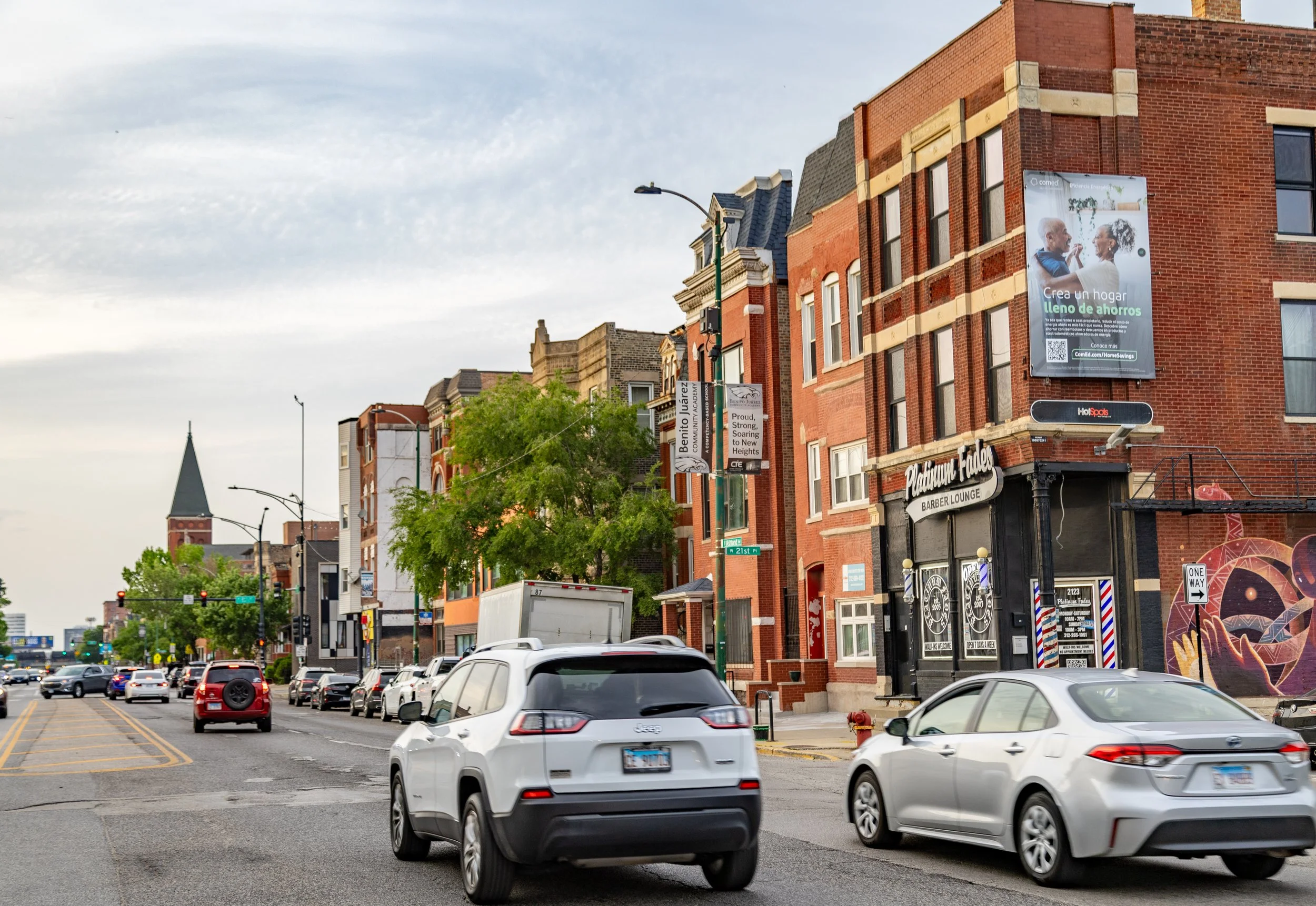
HotSpots are a trust format because they live where attention is highest. These placements create high-frequency visibility in premium, controlled, high-foot-traffic zones. For brands trying to build credibility quickly, HotSpots help create a feeling of legitimacy and cultural presence.
Wild Postings
Wild Postings build trust through cultural fluency. When consumers are skeptical, they pay attention to what feels real and native to the environment. Wild Postings help brands earn attention by showing up in lifestyle corridors in a way that feels embedded, not forced. They are especially useful for brands that want to feel current, expressive, and connected to the community.
Shelter Dominations
Shelter Dominations turn a bus stop into a brand landmark. Instead of a single poster panel, this format uses bold, full-wrap designs across the shelter, including panels, benches, and even the roof. The result is an immersive brand moment that is impossible to miss.
Street Furniture
Street Furniture extends trust into neighborhood life. It is close, frequent, and woven into commutes, errands, and daily rituals. During marketing economic uncertainty, street-level formats help brands feel local, consistent, and present without relying on volatile online delivery.
Why OOH works when budgets are tight
When budgets tighten, brands become more selective. They do not just want to reach. They want visibility that feels stable and credible.
OOH performs well in this environment because it offers:
Predictable presence
Unlike many online environments, OOH is not subject to algorithm shifts, feed volatility, or brand safety surprises. That predictability is valuable during advertising during inflation and broader economic uncertainty.
Efficient trust-building
OOH builds familiarity faster than many channels because the visibility is public and repeated. That is the foundation of billboard advertising trust.
A format mix that scales for local and national brands
Local brands can use street-level formats to create city presence and legitimacy. National brands can layer high-impact placements to reinforce scale and consistency across markets. In both cases, the outcome is the same. Increased familiarity, increased confidence, and stronger preference over time.
OOH vs social media in uncertain times
Social media can still play a role, but many brands are rebalancing because the trust dynamics are shifting.
In uncertain periods, audiences often feel fatigue from digital environments. Algorithms change, attention fragments, and ad experiences can feel intrusive. That is where OOH stands out.
OOH is public and accountable
People experience OOH as part of the real world. It feels harder to fake and more tied to real investment. That builds trust during recession concerns, when skepticism rises.
OOH builds familiarity without feeling invasive
OOH repetition is ambient and expected. It does not follow someone from site to site. This matters for consumer confidence, because people respond better to visibility that feels normal, not targeted.
OOH makes digital performance work harder
OOH often supports branded search, improves recall, and reduces friction when someone eventually sees a paid social or search ad. In other words, OOH is not competing with digital performance. It is improving it.
That is why the best strategies are not either or. They are integrated. When OOH establishes legitimacy, digital channels convert more efficiently.
What trust-building OOH strategy looks like right now
If your goal is to build brand trust during recession conditions and marketing economic uncertainty, the playbook is consistent across industries.
Keep creative simple
OOH must be understood instantly. The clearest campaigns win, especially when people are distracted and stressed.
Choose formats based on trust role
Use high-impact placements (Wallscapes, HotSpots) to signal legitimacy and scale. Use street-level formats (Street Furniture, Shelter Dominations, Wild Postings) to build familiarity and cultural presence. Use Digital Billboards to stay current while reinforcing the same core identity.
Repeat the right message long enough to be believed
Trust does not come from constant reinvention. It comes from consistent presence.
Ready to build trust where it matters most?
When consumer confidence is shaky, brands win by showing up consistently in the real world. View Media helps local and national advertisers build campaigns across Chicago and Milwaukee using Digital Billboards, Wallscapes, HotSpots, Wild Postings, Street Furniture, and Shelter Dominations.
If you’re planning advertising during inflation or navigating brand trust during recession concerns, we’ll help you choose the right formats, locations, and creative approach to stay visible, credible, and memorable.